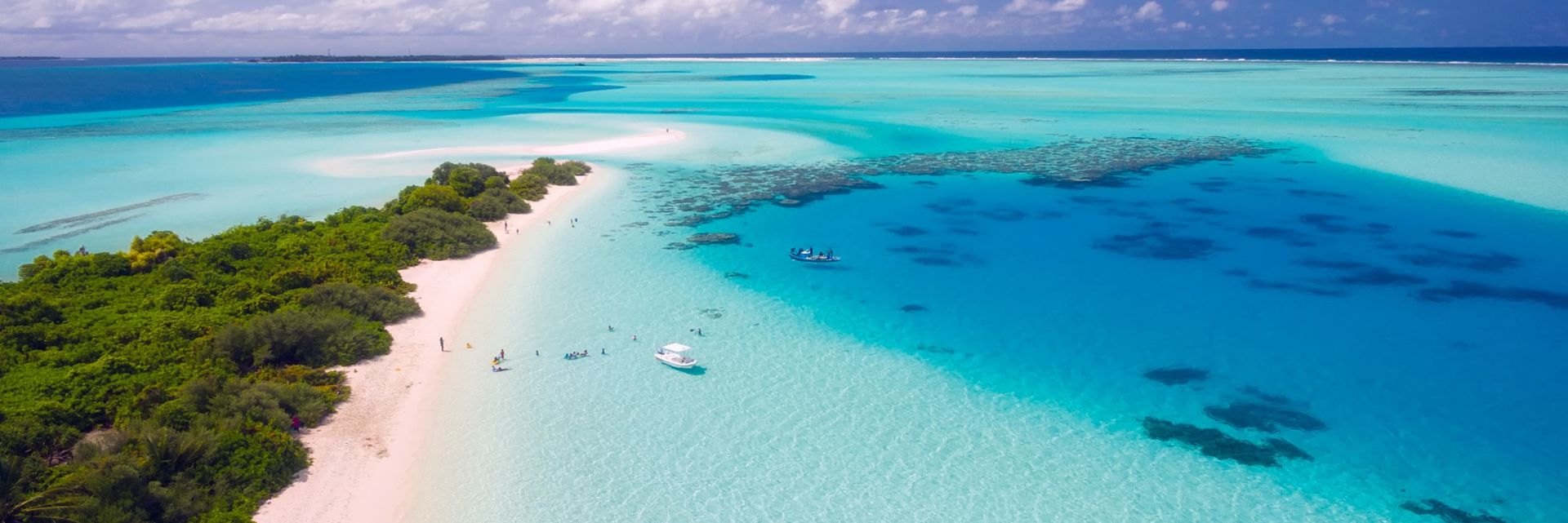
The Maldives is a tropical paradise made up of 1,192 coral islands grouped into 26 atolls in the Indian Ocean. Known for its crystal-clear waters, white sandy beaches, luxurious resorts, and vibrant marine life, the Maldives is a dream destination for travelers seeking peace, beauty, and adventure. Whether you're diving with manta rays or relaxing in an overwater villa, the Maldives promises unforgettable moments.
✔️ Stay in stunning overwater bungalows surrounded by turquoise waters
✔️ Snorkel or dive to explore vibrant coral reefs and marine life
✔️ Enjoy romantic sunsets and private island picnics
✔️ Discover local Maldivian culture on inhabited islands
✔️ Indulge in luxury spa treatments and world-class seafood
Official Name: Republic of Maldives
Meaning of the Name: "Maldives" likely means "island garland" in Sanskrit
Capital: Malé
Geography: The Maldives lies southwest of Sri Lanka and India. It is the flattest country in the world, with no rivers and minimal elevation, surrounded by the Indian Ocean.
Area: Around 298 sq. km of land area and over 90,000 sq. km of water area
Population: Approximately 521,000 (majority Sunni Muslims)
Climate: Tropical with two main seasons—dry (Nov–Apr) and wet (May–Oct). Temperatures average between 26°C and 32°C year-round.
Language: Dhivehi is the official language. English is widely spoken in resorts and tourist areas.
Currency: Maldivian Rufiyaa (MVR). US dollars are also widely accepted.
National Flag: A red rectangle with a green rectangle inside, featuring a white crescent moon at the center symbolizing Islam.
Religion: Islam is the official and only permitted religion; religious observances are respected throughout the country.
The best time to visit the Maldives is from November to April during the dry northeast monsoon season. This period offers sunny skies, calm seas, and ideal conditions for water activities and beach holidays.
The Maldives, a tropical island nation in the Indian Ocean, has a rich cultural heritage reflected through its festivals and celebrations. These events bring together families, communities, and visitors in joyful unity. Below are some of the most celebrated festivals in the Maldives:
One of the most important religious festivals in the Maldives, Eid al-Fitr marks the end of the holy month of Ramadan. It is a time of feasting, prayer, and celebration. Families and friends gather to enjoy traditional Maldivian dishes and exchange gifts in a spirit of joy and gratitude.
This national holiday commemorates the Maldives gaining independence from British rule in 1965. The day features parades, flag-hoisting ceremonies, cultural performances, and nationwide celebrations across the islands.
National Day honors the ascension of Sultan Muhammad Shamsuddeen III, the first sultan of the Maldives. It is observed with grand parades, traditional dances, fireworks, and community events.
Bodu Beru, meaning "big drum," is a traditional Maldivian music and dance celebration. It can be seen throughout the year but is especially popular during the tourist season from November to April. Performers use large drums, rhythmic clapping, and dynamic dance to entertain and preserve Maldivian heritage.
This day honors the contribution of the fishing industry to the Maldivian economy. Celebrations include fishing competitions, traditional boat races, exhibitions, and cultural performances celebrating the life of the fishing community.
Celebrated on the third day of Ramadan, Kuda Eid is a smaller version of Eid al-Fitr. Families come together for special meals and enjoy the warmth of community with traditional food and drink.
Although not a festival, Ramadan holds immense significance in the Maldives. It is a month of fasting, reflection, prayer, and community bonding. Most of the population observes fasting from dawn till dusk, with evenings filled with family meals and spiritual activities.
These festivals and events offer a unique insight into the Maldives' cultural richness and provide a memorable experience for both locals and visitors. Participating in these celebrations is a wonderful way to connect with the Maldivian spirit of hospitality and tradition.
To ensure a respectful and enjoyable visit to the Maldives, here are some important cultural and legal guidelines to follow:
Following these do's and don’ts will help you have a meaningful and respectful experience while exploring the natural beauty and culture of the Maldives.
Discover some fascinating facts about this island paradise that make it one of the world’s most unique travel destinations:
These facts highlight why the Maldives continues to enchant travelers from around the globe with its beauty, culture, and environmental commitment.
Snorkeling – Discover some of the world’s most breathtaking coral reefs and vibrant marine life in the shallow lagoons of the Maldives. It's a must for nature lovers and beginners alike.
Scuba Diving – With over 3,000 coral reefs and dive sites suitable for all levels, scuba diving in the Maldives is an unforgettable underwater adventure in crystal-clear, warm waters.
Surfing – The Maldives offers consistent swells, reef breaks, and long rides that attract surfers from around the globe. Some of the best waves roll in between April and October.
Dolphin and Whale Watching – Witness playful spinner dolphins and majestic whales in their natural habitat through guided boat tours across the Indian Ocean.
Island Hopping – Explore the unique charm of different islands, from quiet fishing villages to luxury resort islets. Each island offers its own slice of paradise and culture.
Sunset Cruises – Enjoy the stunning Maldivian sunset aboard a traditional dhoni boat. A peaceful, romantic experience that perfectly captures the magic of the islands.
Spa Treatments – Unwind with luxurious spa sessions offered at many resorts. These treatments blend traditional Maldivian techniques with holistic wellness practices.
Whether you’re seeking adrenaline-pumping adventures or serene moments of relaxation, the Maldives offers an ideal mix of experiences for every type of traveler.
Most nationalities can obtain a tourist visa on arrival in the Maldives, making it a convenient destination for travelers.
Visa Duration: Tourists are typically granted a 30-day visa on arrival, which can be extended for an additional 60 days if needed.
Passport Validity: Your passport must be valid for at least six months from the date you enter the Maldives.
Return Ticket: Travelers must present a valid return or onward ticket and proof of sufficient funds to cover the duration of their stay.
Visa Fee: A fee of USD $100 per person is required for the visa, payable either in cash or by credit card at the immigration counter upon arrival.
Immigration Card: An immigration card will be provided during your flight. This must be completed and submitted to immigration authorities upon arrival.
COVID-19 Requirements: A negative PCR test taken within 96 hours of departure is mandatory. Travelers must also complete an online health declaration form before arrival.
For the most accurate and updated information, it's advised to check with the nearest Maldivian embassy or consulate in your country before your trip.