<title></title>
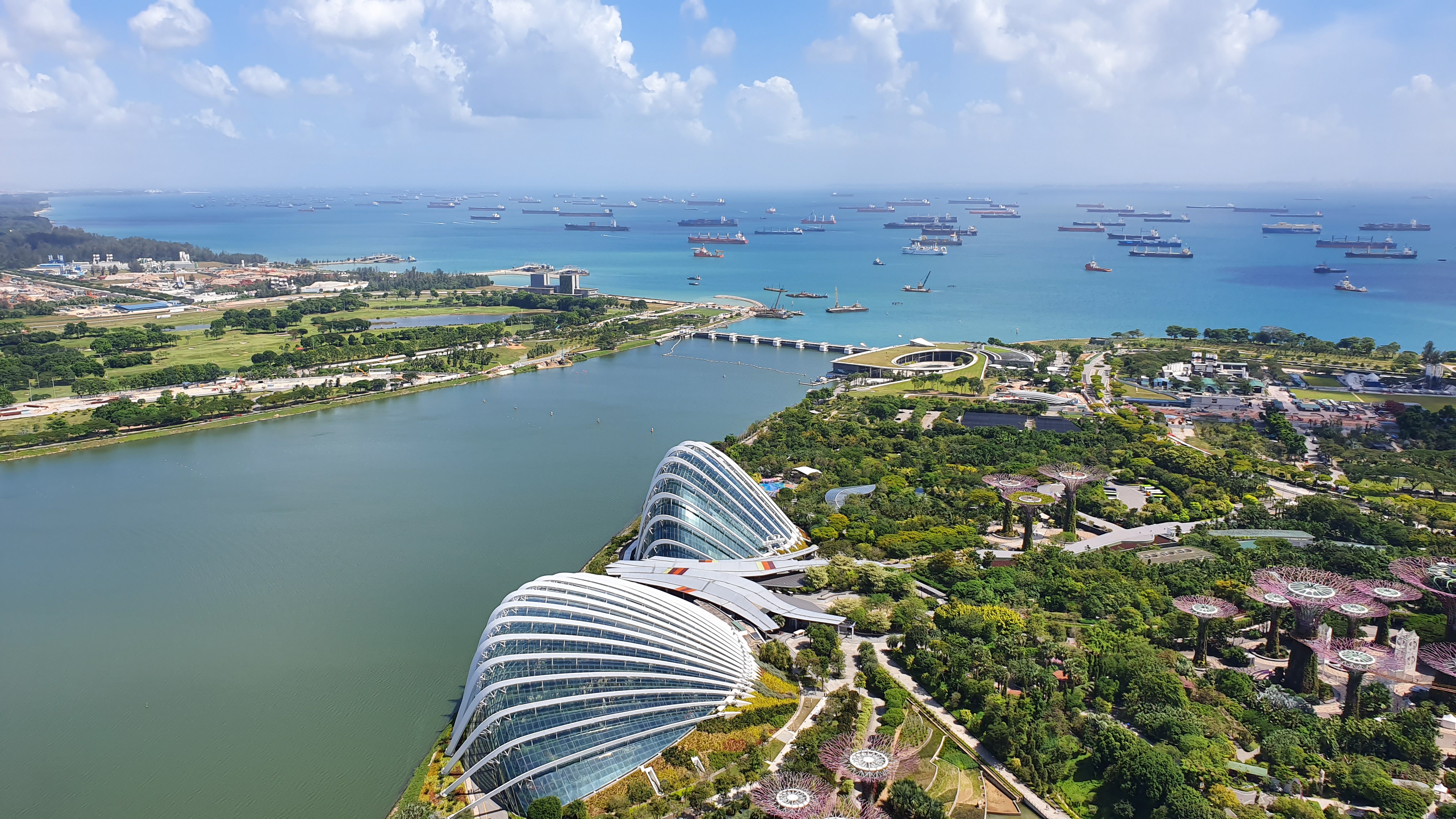
Singapore is a Southeast Asian nation made up of a 30-mile-long main island called Pulau Ujong and 62 smaller islands. It lies just south of Malaysia and north of Indonesia. More than half of Pulau Ujong is less than 50 feet (15 meters) above sea level with mostly flat terrain. The highest natural point is Bukit Timah Hill at 545 feet (166 meters). Singapore’s location at major sea routes makes it an important maritime hub.
Singapore is a mix of ethnic groups: Chinese (74%), Malays (13%), Indians (9%), and others. Official languages are English, Malay, Mandarin, and Tamil, with English mainly used in administration and education.
Buddhism is the most common religion, followed by Christianity, Islam, Taoism, and Hinduism. Major cultural festivals include Chinese New Year, Hari Raya Puasa, Deepavali, and Christmas.
Food is important in Singapore’s culture. Popular dishes include Hainanese chicken rice, laksa, chili crab, and satay. Hawker centers are open-air food courts offering affordable meals.
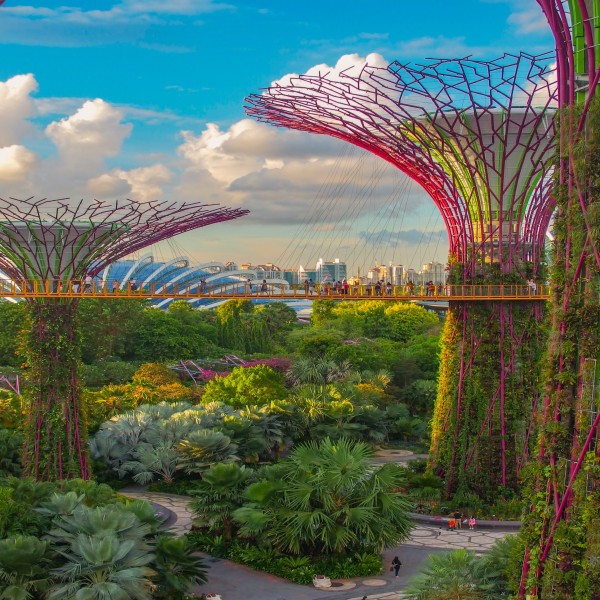
Despite being urban, Singapore values green spaces. About half the island has parks, gardens, and nature reserves like the Singapore Botanic Gardens, Gardens by the Bay, and Bukit Timah Nature Reserve.
Wildlife includes reticulated pythons, smooth-coated otters, birds, and butterflies. Nearby waters have coral reefs, dugongs, and many fish species. The government promotes sustainability and greening under its "City in a Garden" vision.
Singapore is a parliamentary republic. The President is the ceremonial head of state. The Prime Minister and Cabinet hold executive power. Parliament is unicameral and focuses on stable policies.
Singapore is a prosperous global financial center and major shipping port. It leads in technology, biotechnology, and manufacturing. The country has good infrastructure, low unemployment, and emphasizes education and innovation.
Originally called Temasek ("Sea Town"), the island was later named Singapura ("Lion City") in the 14th century. The British East India Company set up a trading post in 1819. Singapore grew into a key port and was part of the Straits Settlements.
Japan occupied Singapore during World War II (1942–1945). After the war, Singapore joined Malaysia briefly in 1963 before becoming independent in 1965. Since then, it has grown into a thriving city-state.